Top Signs You Need a Residential Electrician at Home
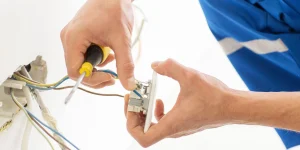

Electricity rarely fails quietly. Most of the time, a house gives you several warnings before a minor fault turns into a damaged appliance, a dead circuit, or a genuine fire risk. The problem is that many homeowners learn to live with those warnings. A breaker trips now and then, one light flickers, an outlet feels a little warm, and life carries on. Until it does not.
A good Residential Electrician sees the same pattern over and over. What starts as an annoyance often points to a system under strain, an installation done poorly years ago, or an aging component that has reached the end of its useful life. The signs are usually there. The trick is knowing which ones deserve immediate attention and which ones still need repair, even if they are not yet an emergency.
If your home is showing any of the symptoms below, it is worth treating them seriously. Electrical issues are not like a squeaky hinge or a chipped baseboard. They can escalate fast, often behind walls where you cannot see what is happening.
When small electrical quirks are not really quirks
Homeowners often describe early electrical trouble with casual language. They say a switch is “a little funny” or a breaker is “touchy.” That downplaying is understandable. Most people are not trained to read the meaning behind these symptoms. But in practice, electrical systems tend to be predictable. If something changes in the way power behaves in your home, there is usually a reason.
A hallway light that suddenly flickers may be nothing more than a failing bulb. A whole room dimming when the microwave starts is a different story. One loose plug might mean a worn receptacle. Several outlets that cannot hold plugs securely often suggest age, heavy use, or poor quality devices throughout the home. Context matters, which is exactly why a licensed Residential Electrician brings value beyond simply replacing parts. Diagnosis is the real skill.
Breakers that trip more than occasionally
Circuit breakers are meant to protect your home. They shut off power when a circuit carries too much current or when a fault is detected. A single trip after plugging in a space heater and a hair dryer on the same bathroom circuit is not unusual. Repeated trips under normal use are another matter.
If you are resetting the same breaker every few days or even every few weeks, do not assume the panel is just sensitive. Breakers trip for a reason. It might be an overloaded circuit, a short, a ground fault, a failing appliance, or a breaker that has weakened over time. I have seen homeowners tape labels on panels that say things like “kitchen, trips sometimes” as if that were a harmless house quirk. It is not.
Kitchens, laundry rooms, bathrooms, and garages are common problem areas because modern electrical demand is much higher than it was twenty or thirty years ago. A home built when countertop appliances were fewer and smaller may now be powering air fryers, espresso machines, toaster ovens, and chargers all at once. The breaker tripping is often the system telling you the original design no longer fits the way the house is used.
There is another layer here that homeowners miss. Frequent trips can hide a more dangerous condition if someone replaces a properly sized breaker with a larger one just to “solve” the nuisance. That is a serious mistake. The wire size in the wall determines how much current the circuit can safely carry. Oversizing the breaker can let wires overheat before protection kicks in. If you have a breaker that keeps tripping, the safe move is evaluation, not improvisation.
Lights that flicker, dim, or brighten unexpectedly
Flickering lights are one of the most dismissed signs of electrical trouble. People assume it is the bulb, and sometimes it is. But if you notice lights dimming when the refrigerator starts, recessed fixtures pulsing, or lamps changing brightness without any obvious reason, pay attention.
A single fixture problem can come from a loose connection in the switch, socket, or fixture itself. Widespread flickering is more concerning. It may point to voltage fluctuations, a loose neutral, panel issues, or utility service problems. A loose neutral is especially important because it can create erratic behavior across multiple circuits. In plain terms, some areas of the home may receive too little voltage while others receive too much. That is bad for electronics and potentially dangerous for the wiring system.
I once looked at a house where the owner thought the dining room chandelier was haunted because it would brighten dramatically for a second and then settle back down. The real cause was a deteriorating service connection that affected several circuits. Nothing supernatural, just a problem that could have ruined appliances if it had gone on much longer.
If lights flicker only when one large appliance turns on, the issue may be related to startup load or an undersized circuit. If lights are flickering randomly throughout the house, especially in older homes, call a Residential Electrician sooner rather than later.
Outlets or switches that feel warm
An outlet or switch should not feel hot. Slight warmth around a dimmer switch can be normal because dimmers generate heat during operation, but ordinary receptacles and standard switches should not be noticeably warm to the touch. If they are, something is wrong.
Heat usually indicates resistance. Resistance often means a loose connection, a worn contact, a poor termination, or a device carrying more load than it should. These failures happen inside the box, which is why they are so easy to ignore and so risky to ignore. Heat builds, insulation degrades, plastic parts discolor, and eventually you get arcing or melting.
The smell that sometimes comes with this is hard to mistake once you know it. It is not the smell of normal household dust or warm electronics. It is sharper, more chemical, sometimes faintly fishy, sometimes like burning plastic. If you ever smell that near a receptacle, switch, panel, or appliance connection, shut off the circuit if you can do so safely and call for service.
Loose outlets deserve attention too. When plugs slide out easily or wobble, the internal contacts are worn. That does more than annoy you. It can create poor contact between the plug blades and the receptacle, which increases resistance and heat. It is a small repair with a large safety payoff.
Buzzing, crackling, and other sounds your wiring should not make
Electric systems are generally quiet. A low hum from a large transformer outside or a mild sound from some dimmers may be normal. Crackling in a wall, buzzing from an outlet, or sizzling behind a switch plate is not.
These noises usually indicate arcing, loose wiring, or damaged devices. Arcing happens when electricity jumps through air between conductors instead of flowing cleanly along the intended path. That generates heat fast and can ignite nearby material. It is one of the reasons electrical fires can begin inside walls without much warning.
Some people hesitate to call because the sound is intermittent. They think they imagined it, especially if it disappears when the load changes or the switch is turned off. Intermittent electrical noise is still noise. In fact, those on and off symptoms often line up with loose connections that shift as materials warm up, cool down, or vibrate.
A useful rule is simple. If electricity is making an unexpected sound in your home, it is time for a professional to inspect it.
Burn marks, discoloration, or visible damage
Visible evidence should never be ignored. Brown or black marks around outlets, switches, or the service panel are not cosmetic issues. They suggest overheating or arcing has already happened. Cracked cover plates, melted plastic, and scorch marks all deserve immediate attention.
Sometimes the signs are subtle. The white face of an outlet may turn beige in one area. A switch plate may look slightly warped. A breaker in the panel may show faint discoloration near its edge. Homeowners cleaning or repainting often overlook these details. A Residential Electrician is trained to see them for what they are, clues to what is happening underneath.
There is a similar concern with extension cords and power strips that show yellowing, brittleness, or darkened spots. While the article focuses on house wiring, accessory equipment can point to bigger habits and bigger risks. A room that depends on multiple strips and cords to power everyday devices often lacks enough permanent receptacles, and that usually means the original circuit design no longer matches actual use.
You still have two-prong outlets or ungrounded circuits
Older homes have character. They also have older electrical systems. If your house still has two-prong outlets in active use, or if three-prong outlets were added without proper grounding, that is a strong reason to bring in a Residential Electrician.
Grounding is not just a code detail. It provides a safe path for fault current and helps modern surge protection work properly. Without grounding, sensitive electronics are more vulnerable, and certain faults become more hazardous. The issue is especially important in kitchens, bathrooms, basements, garages, and exterior locations where moisture increases risk.
Some homeowners use three-to-two prong adapters to get around the problem. Those adapters are a temporary convenience, not a real fix. Others replace two-prong outlets with three-prong devices without upgrading the wiring or adding proper GFCI protection where allowed. That can create a false sense of safety.
An electrician can determine whether circuits are grounded, whether grounding paths are intact, and whether rewiring, GFCI protection, or panel upgrades are the right answer. There is no one-size-fits-all solution, especially in older homes where wiring methods vary by era and by what previous owners changed along the way.
Your home relies too much on extension cords
Extension cords are for temporary use. If they have become a permanent feature of daily life, the house is telling you something. Maybe the living room only has one usable outlet where the entertainment center sits. Maybe the home office runs on a surge strip, a splitter, and a cord that snakes under a rug. Maybe the garage workbench is powered by two daisy-chained cords because there are no receptacles on that wall.
That setup is inconvenient, but more importantly it often means the home lacks enough circuits or enough receptacles in https://mylescmnj966.huicopper.com/residential-electrician-best-practices-for-outdoor-lighting the right places. It can also mean certain circuits are carrying more load than they were designed for. Add a space heater, window AC unit, treadmill, or gaming setup, and you have a recipe for overload and heat.
Rugs covering cords, pinched insulation behind furniture, and cords passing through doorways all increase the chance of damage. This is one of those cases where the practical fix is usually better than the workaround. Adding receptacles, installing dedicated circuits for high-demand equipment, and redistributing load within the home can make the house safer and far easier to live in.
GFCI and AFCI devices will not reset, or they trip for no clear reason
Modern homes use protective devices that many owners are familiar with only by appearance. GFCI outlets, common in bathrooms, kitchens, garages, laundry areas, and outdoors, protect against shock. AFCI protection, often located in the panel or in certain outlets, helps reduce fire risk from arcing faults.
If a GFCI or AFCI device trips once because of a real event, that may be normal. If it will not reset, trips repeatedly, or starts acting unpredictably after years of stable service, the cause needs attention. Sometimes the device itself has failed. Sometimes it is doing its job and detecting a deeper problem like moisture intrusion, insulation damage, shared neutral issues, or a faulty appliance.
This is an area where homeowners can lose time chasing the wrong culprit. They replace the outlet, it trips again, and frustration builds. A trained electrician will look beyond the device and evaluate the circuit as a whole. That can save repeated trial-and-error repairs.
You have an older panel, fuses, or signs the service is undersized
Not every old panel is automatically dangerous, but age changes the odds. If your house still uses fuses, has a panel with a poor service history, or clearly lacks enough capacity for current household needs, it is wise to have it evaluated.
Electrical demand has grown dramatically. A home that once had one television, a few lamps, and basic kitchen equipment may now support multiple refrigerators, high-wattage cooking appliances, whole-house internet gear, chargers in every room, and climate equipment that cycles hard during weather extremes. Add an EV charger, hot tub, workshop tools, or a finished basement, and the stress on an older service can become obvious.
Watch for symptoms such as a crowded panel, double-tapped breakers where they do not belong, missing knockouts, rust, moisture, unlabeled circuits, or no available capacity for additions. These conditions do not all mean immediate failure, but together they often show a system that has been patched instead of planned.
A panel upgrade is not always the answer. Sometimes load balancing, subpanel work, or dedicated circuits solve the issue. Sometimes the service conductors and main panel really are too small for the way the house is now used. An experienced Residential Electrician can calculate load, inspect the equipment, and recommend a proportionate response instead of jumping to the biggest possible job.
You are renovating, adding major appliances, or changing how rooms are used
One of the most common times people should call an electrician is before a problem exists. Renovations, additions, and equipment upgrades change electrical demand. A new induction range, heat pump, tankless water heater, sauna, workshop compressor, or EV charger can all require circuit changes. So can converting a spare bedroom into a home office or a basement corner into a gym.
This is where foresight matters. It is much cheaper and cleaner to run proper circuits during a remodel than to open finished walls later. It is also the best time to correct older deficiencies, add surge protection, improve lighting layouts, and bring safety devices up to current standards where required.
A homeowner may think, “The appliance plugs in, so the outlet must be fine.” That assumption causes plenty of trouble. A receptacle may physically accept the plug and still be on an inadequate circuit, lack grounding, or share capacity with other loads in a way that creates nuisance tripping and wear. Electrical planning should match real use, not just physical fit.
A few signs that deserve same-day attention
Some electrical issues can wait a day or two for a scheduled appointment. Others call for immediate action. If you notice any of the following, treat the matter as urgent:
- Burning smells from outlets, switches, the panel, or walls.
- Sparking from a receptacle or breaker when using ordinary equipment.
- Buzzing or crackling inside walls or at devices.
- Partial power loss combined with flickering or unusually bright lights.
- Water entering the panel area, outdoor receptacles, or flood-affected circuits.
In these cases, turn off the affected circuit or the main power if you can do so safely and without standing in water or touching damaged equipment. Then call a qualified electrician. If there is active smoke or fire, leave the home and contact emergency services first.
What a Residential Electrician actually checks
Many homeowners imagine an electrician arrives, changes one outlet, and leaves. Good service is usually more investigative than that. The visible symptom may be only the end point of the real problem.
A professional typically looks at load patterns, device condition, wire terminations, grounding and bonding, panel labeling, breaker sizing, and signs of heat or moisture. They may test polarity, grounding continuity, GFCI and AFCI function, and voltage behavior under load. In older homes, they often check for mixed wiring methods, past DIY work, open junctions, or hidden splices in the wrong places.
That broader view matters because electrical defects travel. The warm outlet in the bedroom may be caused by a failing backstab connection. Or it may be one symptom of a multiwire branch circuit with a loose neutral upstream. The bathroom GFCI that will not reset may be defective, or it may be reacting to moisture in an exterior box on the same run. Guessing can waste money. Diagnosis narrows the field.
The DIY line most homeowners should not cross
There is a place for homeowner maintenance. Replacing light bulbs, using appliances correctly, and testing GFCI devices are reasonable tasks. Once troubleshooting involves opening boxes, replacing breakers, altering panel wiring, or dealing with repeated faults, caution should take over.
Electrical systems punish partial knowledge. A repair can appear successful while leaving a hidden hazard behind. A switched-off circuit may still share a neutral. A mislabeled panel may leave a box energized. A replaced receptacle may work, but a loose splice in the back of the box may continue heating. The danger is not only shock. It is creating a condition that fails later under load.
This becomes even more important in older homes. Wiring colors may not match modern expectations. Grounds may be missing or bootlegged. Renovations may have buried junctions or left overloaded circuits hidden behind drywall. The more history a house has, the more judgment the work requires.
How to prepare before the electrician arrives
You do not need to diagnose the problem yourself, but a little preparation makes the visit more productive and can shorten repair time.
- Write down exactly what happens, when it happens, and what else is running at the time.
- Note which breaker appears connected, if your panel labels are accurate enough to tell.
- Unplug nonessential devices on the affected circuit if doing so is safe.
- Clear access to the panel, outlets, attic hatch, or crawlspace entry if relevant.
- Mention any recent changes, including new appliances, storms, leaks, or renovations.
Those details help separate random nuisance from repeatable pattern. The difference matters. “The lights flicker sometimes” is a starting point. “The dining room and kitchen lights dim for two seconds whenever the microwave and toaster oven run together” is much more useful.
Why waiting often costs more
Electrical problems rarely fix themselves. A loose connection usually gets looser. Heat damage spreads. Repeated breaker trips stress equipment. Voltage irregularities shorten the life of electronics and motors. What might begin as a service call to tighten a termination or replace a worn receptacle can become a larger repair if left alone for months.
There is also the less visible cost of uncertainty. People adapt to flawed systems in ways that create new problems. They start avoiding one outlet, running cords across rooms, using portable heaters on overloaded circuits, or resetting breakers without asking why. Those workarounds increase wear and normalize unsafe conditions.
Calling a Residential Electrician early is not overreacting. It is basic risk management. A home’s electrical system does critical work every hour of every day. When it starts communicating that something is wrong, the smart response is to listen.
The best time to call is usually earlier than you think
Most homeowners do not need to panic over every odd flicker or tripped breaker. They do need to notice patterns. Repeated trips, warm outlets, unusual smells, buzzing sounds, visible scorching, outdated ungrounded receptacles, and overloaded extension-cord setups are all legitimate signals that your home needs professional attention.
The practical threshold is simple. If a problem repeats, spreads, produces heat, creates odor, changes lighting behavior across multiple rooms, or involves your panel, stop treating it as background noise. A qualified Residential Electrician can tell you whether the fix is straightforward or whether the symptom points to a larger issue. Either way, you get certainty, safer wiring, and one less hidden risk behind your walls.
Paxos Electric Company, LLC
255 NJ-15, Wharton, NJ 07885, United States
+1 973-598-8543
FAQ About Residential Electrician
What does a residential electrician do?
A residential electrician installs, inspects, maintains, and repairs electrical systems in homes. Common services include troubleshooting circuits, replacing panels, adding outlets and lighting, and completing electrical work for renovations.
When should I call an electrician for my home?
Call a licensed electrician if you notice repeated breaker trips, flickering lights, buzzing, burning odors, warm outlets, sparks, or unexplained power loss. Urgent warning signs should be addressed promptly.
Can a residential electrician upgrade an electrical panel?
Yes. A qualified electrician can evaluate the existing service, determine whether an upgrade is appropriate, obtain required permits, and install a panel sized for the home and planned electrical loads.
Do I need an electrician to install an EV charger?
A home EV charger often needs a dedicated circuit and a review of panel capacity. A licensed electrician can confirm the manufacturer requirements and complete the installation according to local electrical codes.